Summary
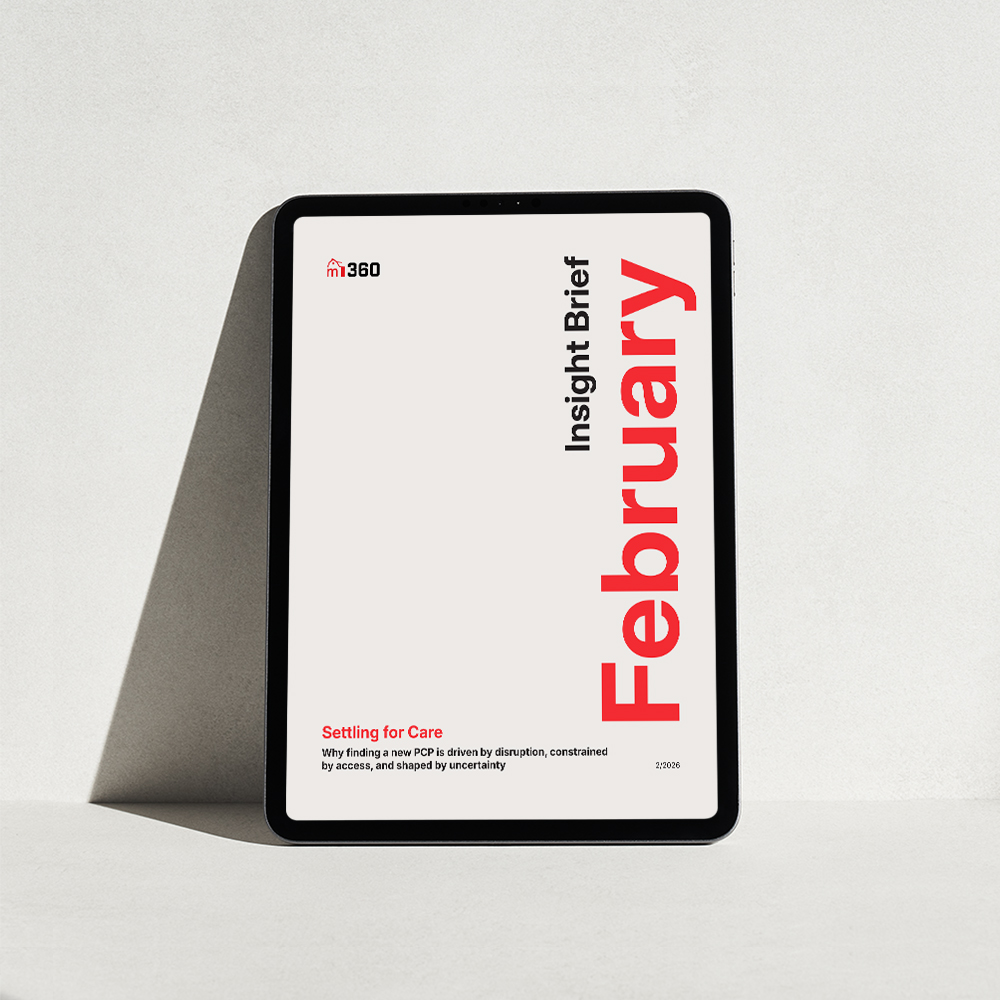
Finding a new PCP is not a traditional choice journey; it is a constrained navigation process shaped by access, friction, and uncertainty. Health systems that reduce barriers, preserve continuity, and make trust easier to evaluate can fundamentally improve how patients experience this transition. By designing for clarity, access, and human connection upfront, organizations can shift the experience from reactive and frustrating to guided and trustworthy.
| ✅ | Task |
| ☐ | Have you ensured patients are proactively supported when their PCP retires or leaves, rather than requiring them to restart the search independently? |
| ☐ | Do patients retain continuity (medical history, preferences, context) when transitioning to a new provider within your system? |
| ☐ | Is it immediately clear which providers are accepting new patients, without requiring multiple clicks or calls? |
| ☐ | Are appointment wait times and next available visits visible upfront, before patients invest time in researching a provider? |
| ☐ | Are in-network providers clearly identified and easy to filter during the search process? |
| ☐ | Have you minimized friction for existing patients switching providers (e.g., avoiding “new patient” barriers within the same system)? |
| ☐ | Are provider profiles rich enough to communicate personality, communication style, and care philosophy, not just credentials? |
| ☐ | Do ratings and reviews surface meaningful, qualitative insights that help patients assess trust and suitability? |
| ☐ | Are patients able to compare providers side-by-side on key dimensions (e.g., availability, location, experience, patient feedback)? |
| ☐ | Is the role of Nurse Practitioners (NPs) and Physician Assistants (PAs) clearly explained to set expectations and build confidence? |
| ☐ | Are patients guided toward appropriate providers based on their specific needs or conditions, rather than left to self-navigate? |
| ☐ | Is location-based convenience (e.g., distance, office options) easy to understand and factor into decision-making? |
| ☐ | Does the scheduling experience reinforce ease and momentum, rather than introducing new friction late in the process? |
| ☐ | Are front desk and support staff experiences aligned with the level of care patients expect from providers themselves? |
| ☐ | Do you actively measure and address drop-off points in the PCP search and scheduling journey? |